
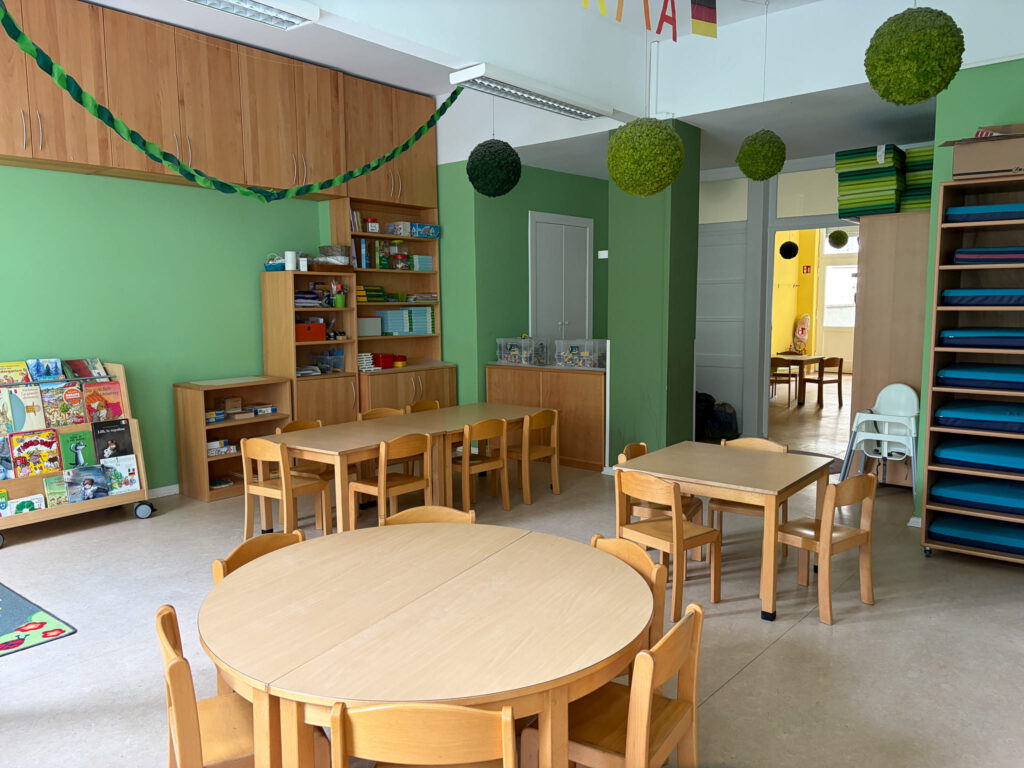
The RoKoKids daycare center opened on April 1, 2006, following a complete renovation. The Little RoKoKids daycare center was added in October 2011, also following an extensive, complete renovation.
Both daycare centers are located in neighboring buildings on the ground floor and mezzanine, respectively, in a quiet location (dead-end street) in Berlin’s Mitte district, in the Wedding neighborhood. Schillerpark is right nearby, featuring playgrounds, meadows, a toboggan run, a wading pool, and walking paths. Also in the immediate vicinity is Volkspark Rehberge, which offers extensive walking paths, Möwensee, animal enclosures, expansive meadows, and playgrounds.
The subway (U6-Rehberge) and the bus (120) are just a five-minute walk away. There is also a library, supermarkets, a bakery, and other small shops, a fire station, and pharmacies in our neighborhood.
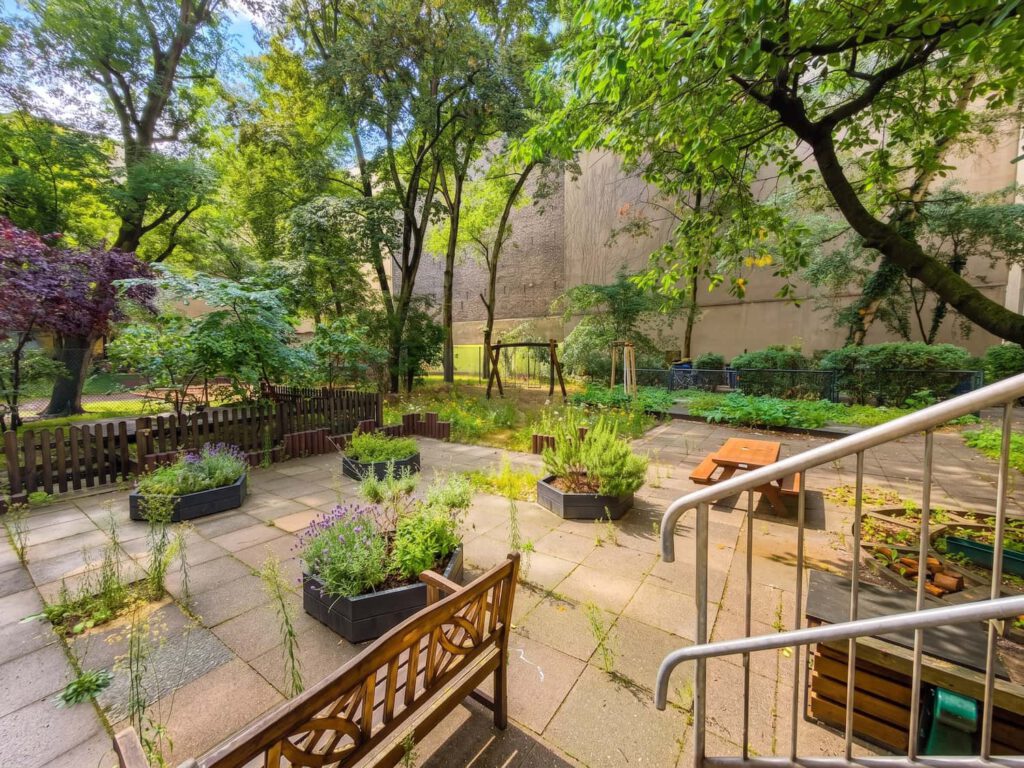
The RoKoKids daycare center has direct access to its own garden in the courtyard, and the Little RoKoKids daycare center is just a few steps away.
History
The RoKoKids daycare center, operated by Ki. E. Ka. e. V., has been in operation since April 2006. The fundamental idea behind its founding was to enable families to balance family life and work. That is why we offer hours of operation from Monday through Friday between 7:00 a.m. and 5:00 p.m. Working life and a career should not preclude the desire to have children. Our guiding principle is therefore also reflected in our organization’s name:
Ki. E. Ka. e. V. = Children, Education, Career.
As we searched for partners, the Robert Koch Institute (RKI)—which places a high priority on family-friendly personnel policies—quickly joined us. The RKI has reserved ten daycare spots with us for its employees. In addition, we can provide care for five children of conference attendees during professional conferences.
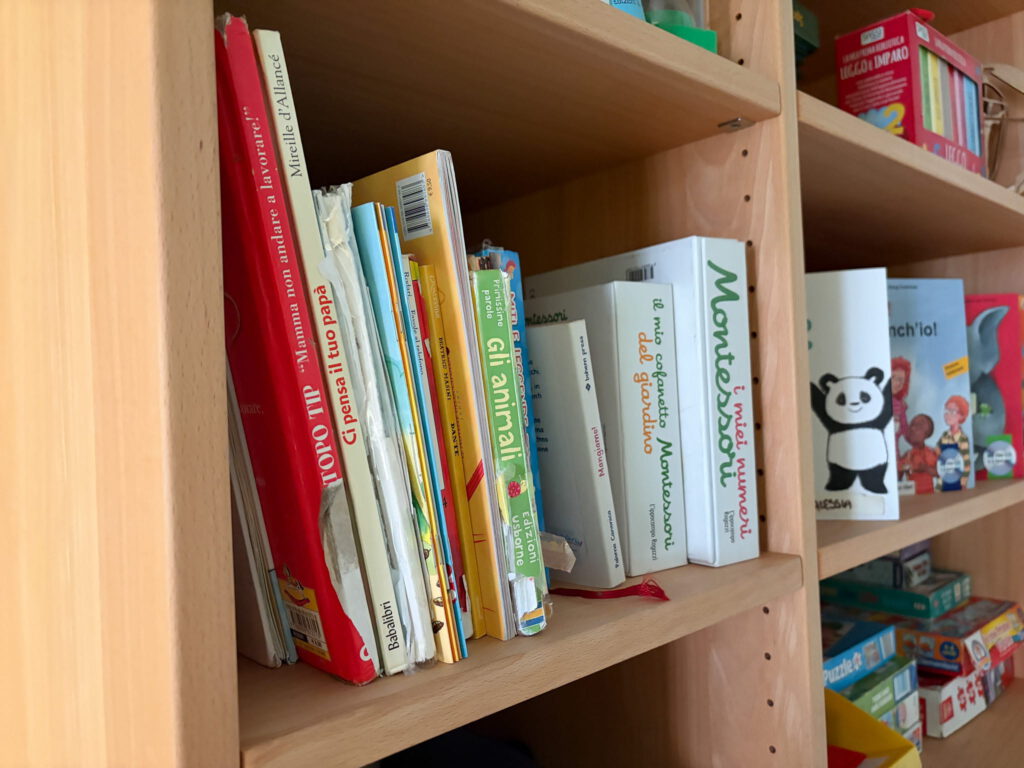
The RoKoKids daycare center reflects the diversity of the Wedding neighborhood and the parents who come from many different districts of Berlin. We address this diversity and multiculturalism with special language and cultural programs. We have been a bilingual daycare center since August 2006. German and Italian are offered as languages of interaction.
rooms
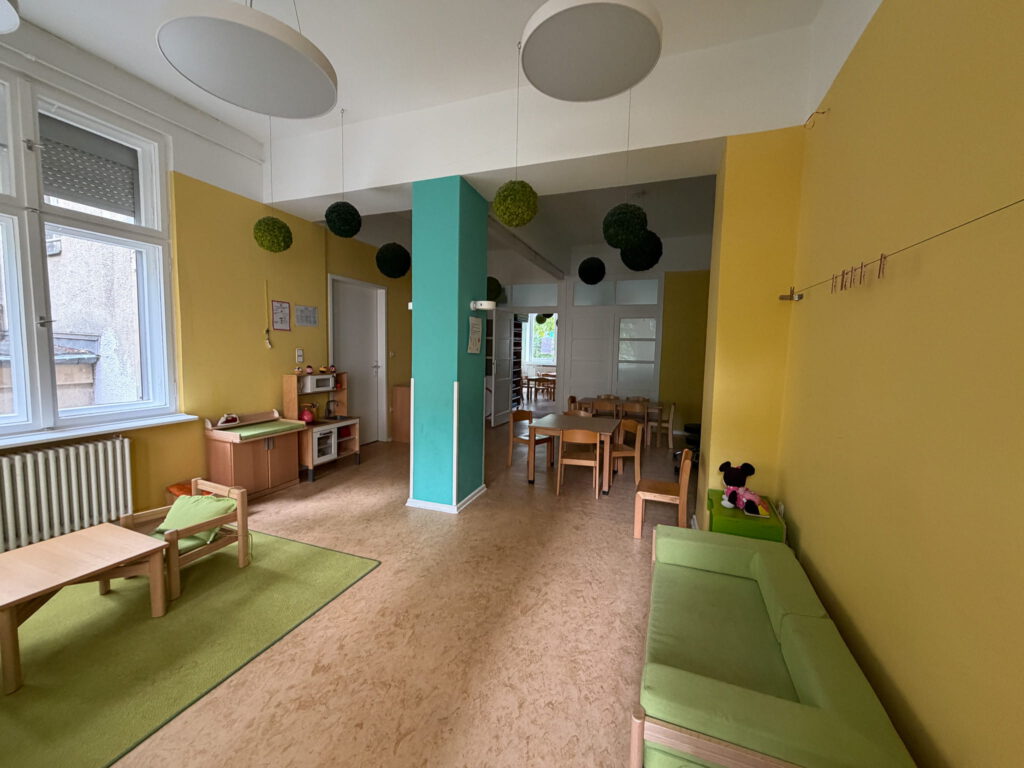
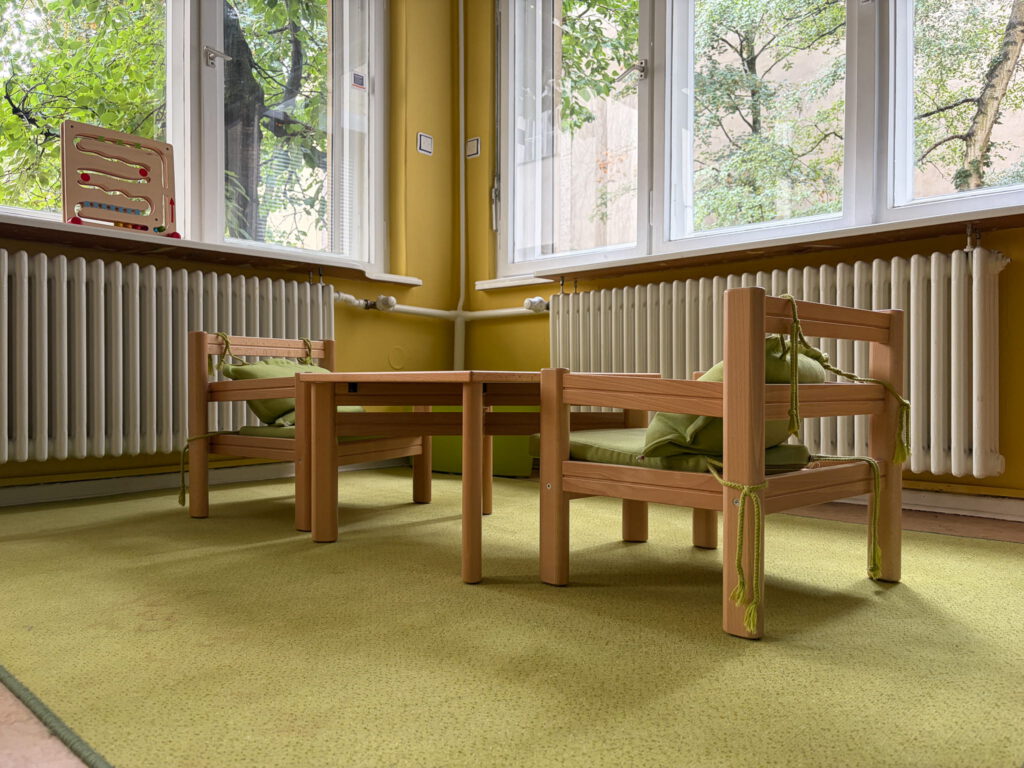
At the RoKoKids daycare center, we have approximately 170 m² of space, which is divided as follows:
Entrance area and hallway with a seating area for parents
Coat Check
Two playrooms (30 m² and 45 m²)
A multipurpose room (30 m²)
Office/Staff Room
Kitchen/Pantry
Children's bathroom with shower and toilets
Cleaning Supplies Closet
Adult Toilet
The rooms comply with the technical and content requirements of the State of Berlin.
Outdoor facilities
The garden was redesigned in 2006 with the help of volunteer parents.
Another major renovation took place starting in August 2013. Here, too, it is thanks to the extensive planning and the wonderful support from parents and staff that the garden is now an oasis of fun for our children.
Outside, the children will find:
- a Bobby Car racetrack
- large sandbox
- Barefoot Trail
- Raised Beds
- Crawling Tunnel
- Play equipment with a climbing tower, slide, and wooden platform
- Double Swing
- a green oasis of retreat and tranquility
- Bushes to Hide In
- Lawn areas
- Bushes to hide in and a wooden platform
- Play Terrace
- Table and Bench Set
group size
We can care for and provide educational support to 30 children at the RoKoKids daycare center and 20 children at the Kleine RoKoKids daycare center. Ten spots are reserved for employees of the Robert Koch Institute.
At the RoKoKids daycare center, children receive educational support in a mixed-age, semi-open group (ages 3–6).
The Kleine RoKoKids Daycare is a "nest" group. Here, children aged eight weeks to three years receive educational care, and in August, the oldest children in the nest group move up to the RoKoKids Daycare with a teacher.
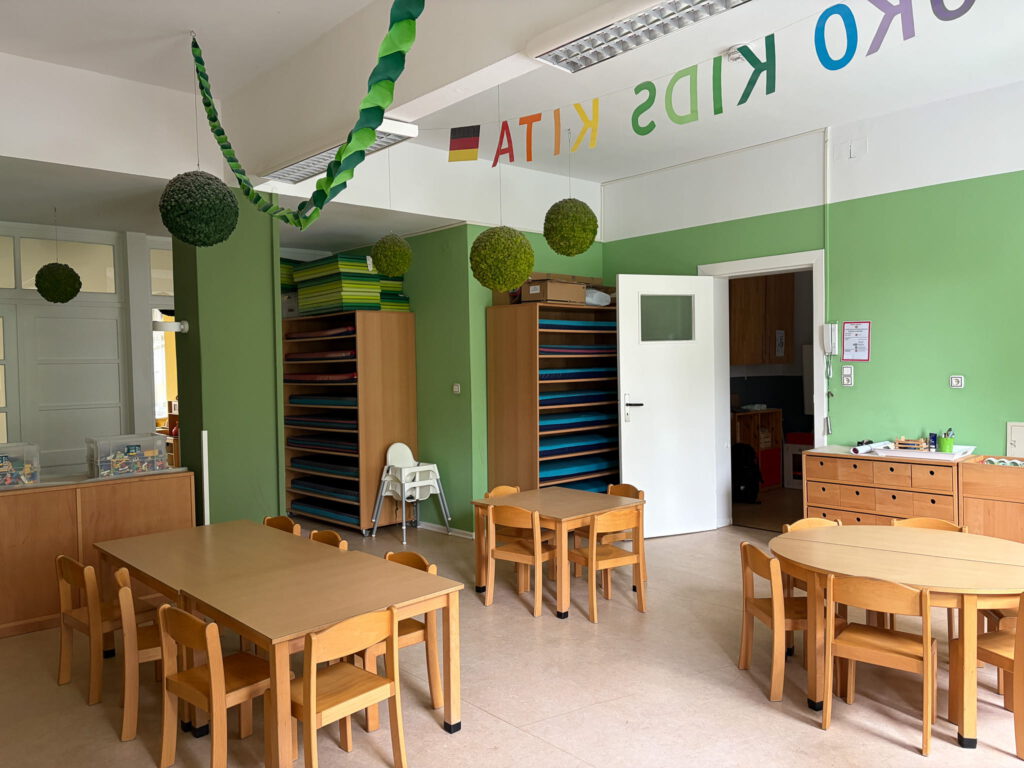
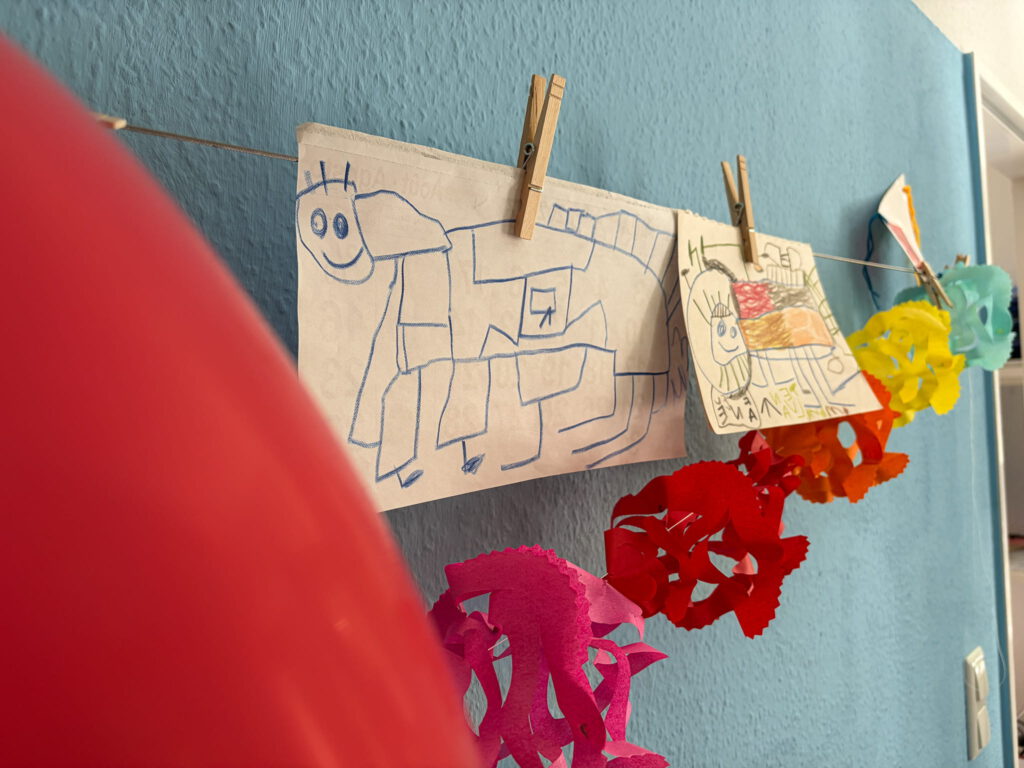
Age-appropriate educational activities take place every day. The children are allowed and encouraged to incorporate the entire daycare facility (group rooms, activity room, hallway, bathroom, office, and garden) into their play. The children are educated, supported, and cared for by:
- state-certified early childhood educators
(some of whom are enrolled in part-time training programs) - certified early childhood educators
- a specialist in integration and a specialist in language development
50% of our teaching staff are native Italian speakers. We also occasionally hire teaching assistants and interns to provide support.
The Kneipp Health Philosophy
The daycare center provides a space where children and their families are encouraged to explore the topic of health. In this context, they have the opportunity to gain knowledge about taking personal responsibility for their health and to put that knowledge into practice.
One methodological approach that addresses this is the Kneipp health concept. It focuses directly on children to promote a healthy lifestyle from the very beginning and help them develop an awareness of their own bodies. The goal of the Kneipp method of natural healing is, on the one hand, to strengthen the body, mind, and spirit preventively and, on the other hand, to bring them into harmony with one another through health promotion. The Kneipp health philosophy also serves to stimulate the body’s self-healing powers, resilience, and inner balance.
It is based on five pillars:
- Water
Water treatments are designed to strengthen the immune system.
- Physical Activity
Physical activityis important for children because it forms the foundation for their development, personality, and brain maturation.
Lifestyleis part of prevention, aimed at fostering a positive relationship with one’s own body, mind, and soul.
- Medicinal Plants
Medicinal plants and their active ingredients promote good health.
- Nutrition
A good, healthy diet lays the foundation for a healthy lifestyle starting in childhood.
Bilingual education
Our children are provided with an environment that encourages communication and stimulates language development in both languages. Language development is approached holistically and is integrated into all aspects of daily life at the daycare center.
We meet the children where they are in their development, and once they have mastered the basic concepts, our support always moves slightly beyond the child’s current developmental level, without overwhelming them. The German-Italian language program is open to children of all nationalities, and we strive to maintain a multicultural mix.
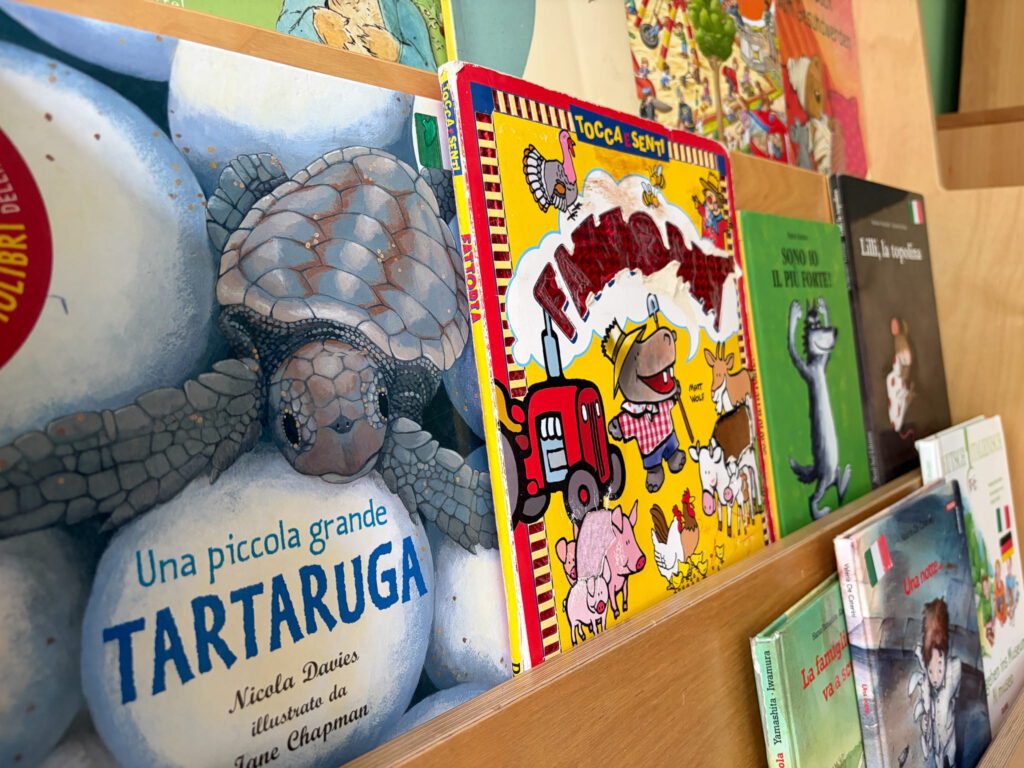
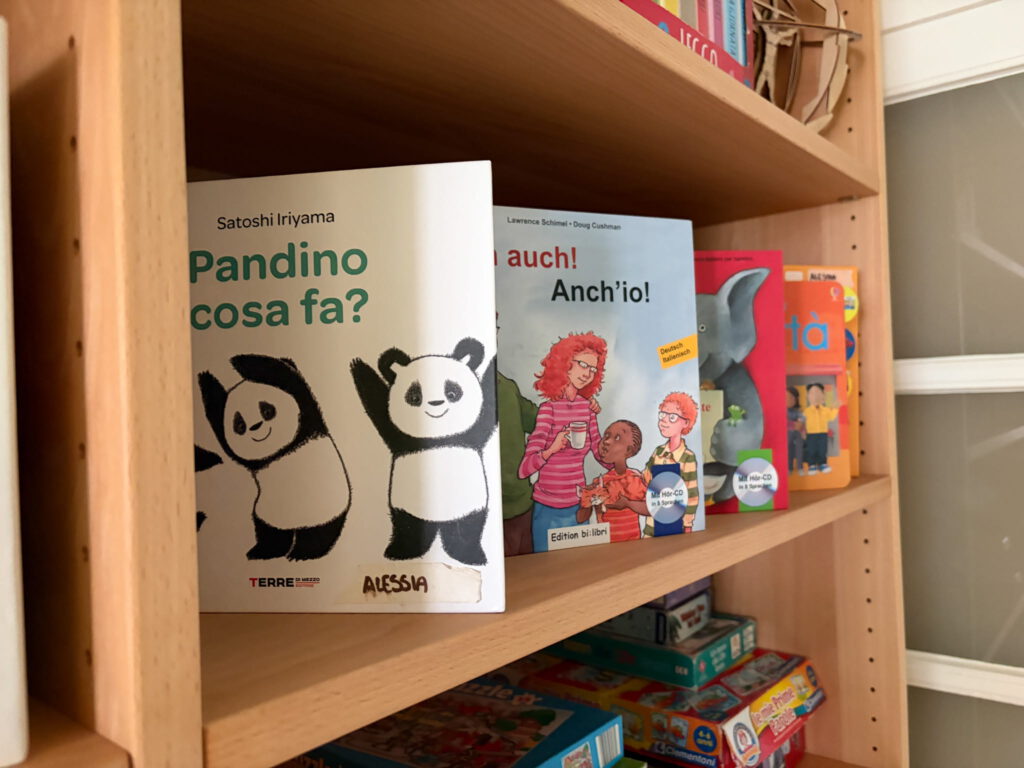
The daycare center hosts Italian projects and workshops.
The educational and instructional program is supported by an administrative body and is intended to enrich the Italian language education offerings for German-speaking children as well, in order to facilitate and support their enrollment in bilingual elementary schools in Berlin.
February–May 2024: Project title “Il mago delle onde” (The Magician of the Waves)
This is an in-depth study of the life and discoveries of the Italian Guglielmo Marconi, the father of radio and the figure who made communication as we know it today possible. The workshop begins with a preparatory listening segment that involves reading specific children’s texts about Guglielmo Marconi’s inventions and is conducted in parallel with a creative activity in which children can express their skills and acquire new ones.
October 2024–February 2025: Project title "Cibo, città, sostenibilità" (Food, City, Sustainability)
This year, our pilot project was dedicated to sustainable nutrition and consisted of alternating classroom instruction and cooking workshops. In the cooking workshop, the children learned about the importance of healthy eating and cooked recipes using regional and seasonal 0-km products. The concept of sustainability and the importance of reducing water and energy consumption were also explained to the children. This project was conducted in Italian to enable the development of specialized vocabulary.
December 2025–April 2026: Project title "Cibo, benessere e sostenibilità" (Food, Well-being, and Sustainability)
Next year, we will focus on Italian cuisine with an emphasis on sustainability and well-being. We view cooking as a cultural heritage that fosters community, tradition, and mindful enjoyment. As a bilingual German-Italian daycare center with children from diverse cultural backgrounds, we will use this theme specifically to promote cultural openness while playfully expanding the children’s Italian vocabulary in everyday life. The diversity of regional dishes represents a vibrant, ever-evolving culinary identity that centers on exchange, diversity, and shared experiences.
health promotion
We see it as our mission to teach children the basics of a healthy, natural lifestyle in a playful way as early as possible. Children learn and practice health-conscious behavior by following role models. The goal is for children to manage their individual health resources responsibly.
Health promotion at our daycare center includes the following aspects:
- Mental Well-Being
- A healthy, varied diet
- Exercise and Relaxation
- hygiene
- Spending Time Outdoors
Nutrition
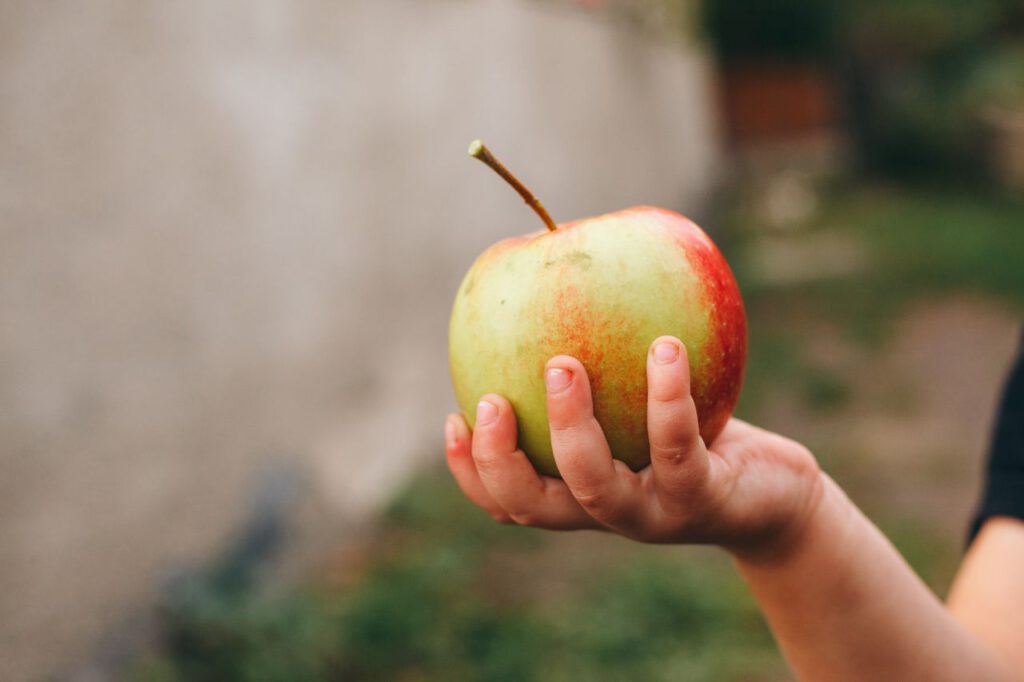
We place a high priority on healthy nutrition for the children at our facility. At our daycare center, we prepare fresh and varied meals every day. The breakfast (8:30 a.m.), lunch (11:30 a.m.), afternoon snack (2:30 p.m.), and dinner (5:00 p.m.) menus vary daily and are designed to be diverse. Fresh organic fruit and vegetables are available to the children every day at 10:00 a.m. and during the afternoon snack. Dinner varies between sandwiches, vegetables, and
Raw foods, organic milk, quark, or cream cheese—and we encourage the children to drink plenty of fluids. At our daycare center, we offer organic products and natural, low-sugar foods whenever possible. A balanced diet means more than just filling up. Nutrition plays a crucial role in our children’s emotional and mental development. It is an essential prerequisite for successful learning.
Exercise
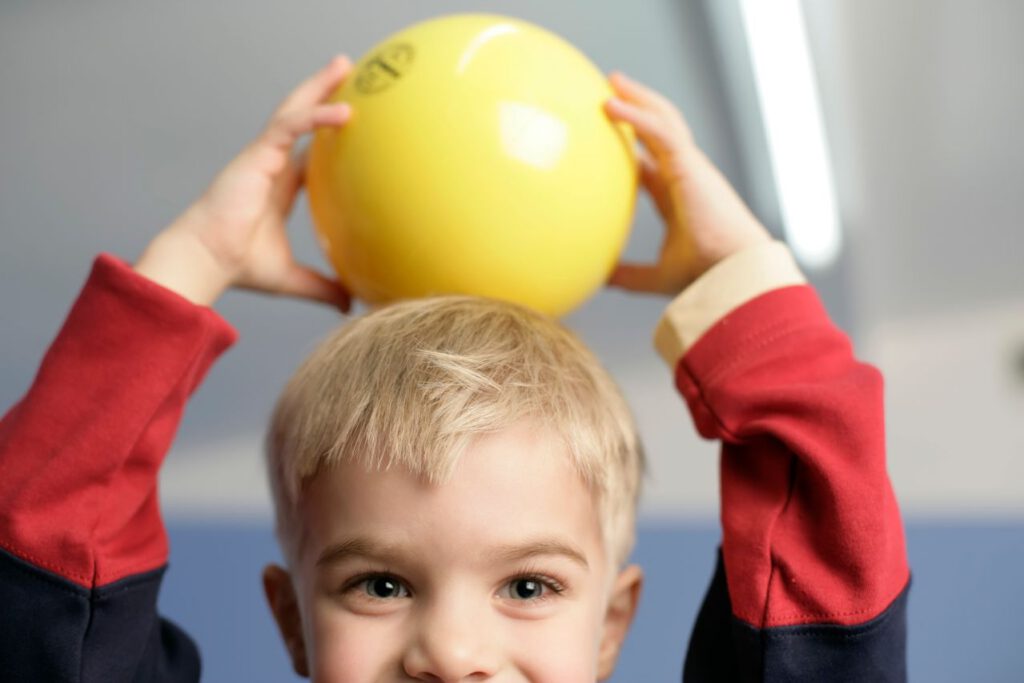
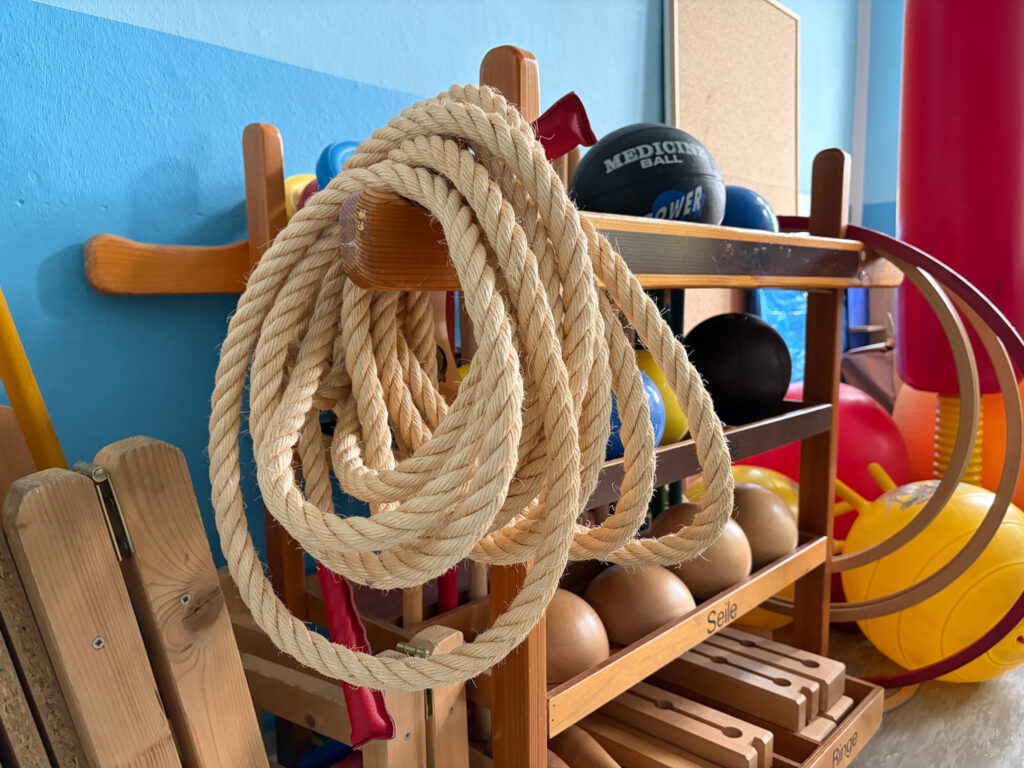
Children’s health depends on physical activity and play in environments that are rich in experiences and adaptable. For us, promoting physical activity means giving children ample opportunity to test their limits and encouraging them to explore new, unfamiliar paths. We also have gym class once a week and actively promote physical activity. We consider time for relaxation just as important, so that children can recharge and find peace.
hygiene
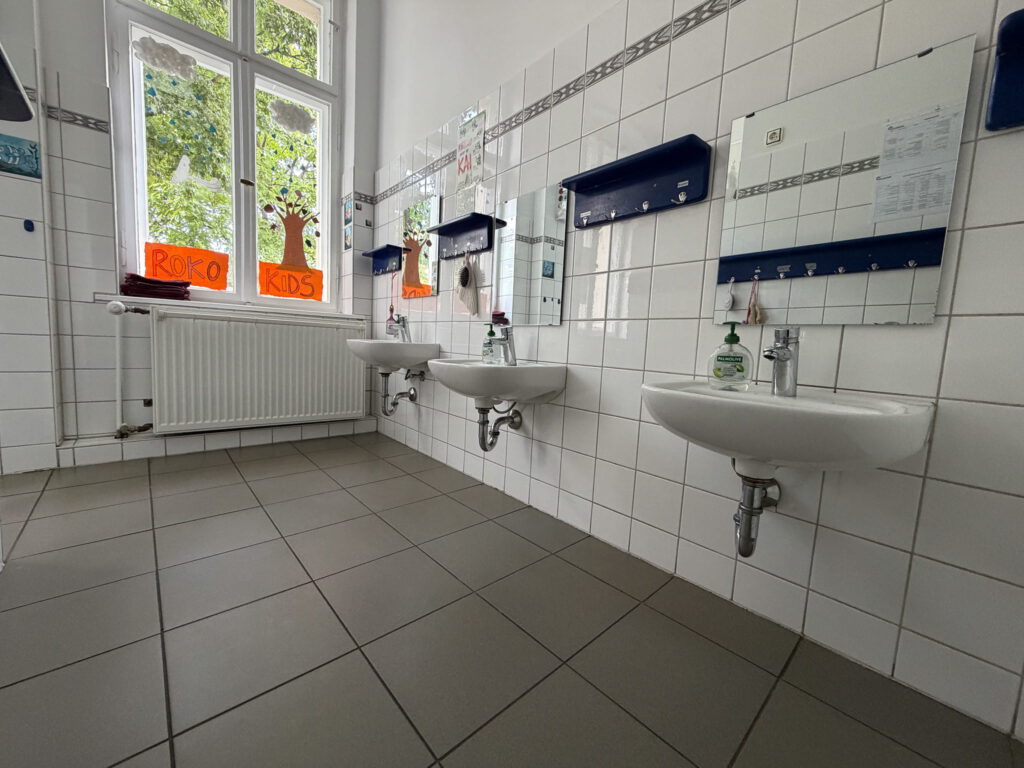
In addition to regularly washing hands, blowing one’s nose, and other activities, the children brush their teeth after lunch. Four times a year, a “toothbrushing training” session is held in collaboration with the LAG (State Working Group for the Prevention of Dental Diseases).
Regular time spent outdoors
Spending time outdoors regularly in—almost—any weather strengthens the immune system. This provides children with a wide range of experiences in nature that promote healthy and physically positive development.

The RoKoKids Daycare Center is committed to becoming a high-quality, healthy daycare center. That is why we participate in the state program “Kitas bewegen.” The program supports our efforts by providing facilitator training, professional development opportunities, and financial resources.